

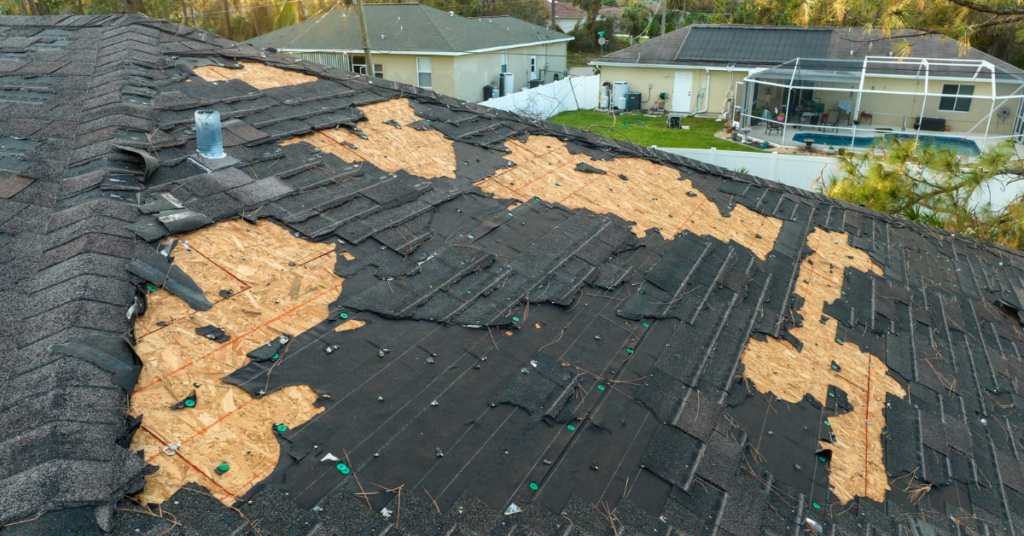
The blog explains how severe storms can damage roofs and other parts of a home, including hidden problems that may not be visible immediately. It guides homeowners through identifying damage, arranging inspections, documenting issues, and understanding when repairs or replacement may be needed.
A severe storm can leave your home looking fine from the outside while problems are already developing underneath. A few lifted shingles can let in water. Hail can weaken roofing materials without obvious marks. Strong winds can damage flashing, gutters, and other parts of the exterior. By the time a leak appears inside, the damage may have already spread.
That uncertainty is often the hardest part after a storm. The storm damage in Missouri City may not always be easy to spot, but knowing what to look for can help you catch problems early. A careful inspection, proper documentation, and timely repairs can help prevent a small issue from becoming a much larger and more expensive one.
Storms Can Damage Several Parts of Your Home
The roof often takes the most abuse during a storm, but other areas can also be affected. Strong winds, hail, and debris can damage many exterior components.
Common storm damage includes:
- Missing or loose shingles
- Cracked or damaged shingles
- Hail marks
- Damaged flashing
- Bent gutters and downspouts
- Loose roof vents
- Damaged siding
- Broken window screens
- Fallen branches
- Water stains on ceilings or walls
The amount of damage can differ from one home to another. Roof age, materials, maintenance, nearby trees, and storm strength can all play a role. A home may look fine from the street but still have roofing damage. That is why a closer inspection is often useful after severe weather.
Wind and Hail Cause Different Types of Damage
Wind and hail can affect a roof in different ways. Strong winds can lift, fold, tear, or remove shingles. They can also loosen flashing around chimneys, vents, skylights, and other roof openings.
Hail can leave dents, bruises, cracks, or areas where protective granules have been knocked away. These problems are not always easy to see from the ground. Homeowners can check their property safely after a storm. Look for loose materials, fallen branches, damaged gutters, and other visible changes.
However, avoid climbing onto the roof. Wet or damaged roofing materials can create a serious fall risk. A professional can inspect the roof safely and check areas that are difficult to see from the ground.
Hidden Damage Can Create Bigger Problems
Not all storm damage causes an immediate leak. A small opening may allow water to enter during the next heavy rain. Once inside, water can travel through roofing materials, insulation, and wood framing. It may reach the ceiling or walls before the actual roof problem becomes obvious.
Look for signs such as:
- New ceiling stains
- Peeling or bubbling paint
- Damp insulation
- Musty smells
- Wet areas in the attic
- Warped drywall
- Dripping water
A water stain does not always appear directly below the damaged part of the roof. This can make finding the source difficult. Early attention can help reduce the chance of damage spreading to insulation, drywall, wood, and other parts of the home.
A Roof Inspection Can Find Problems Early
A professional inspection can give homeowners a better understanding of their roof after a storm. The inspection should cover shingles, flashing, vents, roof edges, gutters, and other areas that may have been affected. It can also help separate new storm damage from normal wear and older roofing problems.
For homeowners dealing with storm damage in Pearland, this step can be especially helpful when there are no obvious signs of damage. A roof may still have weak spots even when it looks normal from the ground. An inspection can help determine whether the home needs a small repair, more extensive restoration, or a full roof replacement.
Document Damage Before Starting Repairs
Homeowners should document storm damage as soon as it is safe. Take photos and videos from the ground. Include damaged shingles, gutters, siding, windows, fallen branches, and other visible problems. If there are water stains or moisture inside the home, document those areas as well.
Keep records of:
- The date of the storm
- Photos and videos
- Inspection reports
- Repair estimates
- Temporary repair costs
- Insurance communications
- Receipts
The Texas Department of Insurance recommends documenting damage and keeping receipts for temporary repairs that help prevent further damage. Good records can make it easier to explain what happened and what work may be needed.
Storm Damage Can Differ From Home to Home
A storm may hit an entire neighborhood, but every home can experience different damage. One property may have a few missing shingles. Another may have damaged flashing, gutters, siding, or roof decking. The difference can depend on roof age, materials, tree coverage, wind exposure, and past maintenance.
For homeowners dealing with storm damage in Sugar Land, it is important not to assume that their roof is fine because nearby homes had little damage. A professional inspection should focus on the condition of the individual property.
Storm Damage in Cypress Should Not Be Ignored
When dealing with storm damage in Cypress, homeowners should check both the outside and inside of the home. Look for missing shingles, loose roofing materials, damaged gutters, fallen branches, and problems around vents or roof openings.
Inside, check ceilings, upper walls, and attic areas for stains, moisture, or unusual smells. These signs may point to water entering through the roof. Even if there is no visible leak, an inspection can help find damage before another storm makes the problem worse.
Conclusion
Storm damage can range from a few loose shingles to serious roofing and interior problems. Hail, wind, rain, and debris can all weaken a home and create problems that may not be visible right away.
Checking the property safely, documenting damage, watching for signs of water intrusion, and arranging a professional inspection can help homeowners respond early. It can also make it easier to determine whether repair, restoration, or replacement is needed.
If your home has been affected by severe weather, Restoration Roofing & Remodeling can help you understand the condition of your roofing system and your available options. Contact the team today to schedule a free inspection and estimate and take the next step toward protecting your home from further storm damage.